The Ziploc That Saves the Show: Nine Backstage Fixes Kikuta Dancers Actually Use
Every Kikuta showcase has one: the dancer who walks into the dressing room holding a strap like it’s a wounded bird. Maybe the elastic gave out during the dress rehearsal. Maybe a rhinestone popped off somewhere near the wing. Maybe the tights that looked fine at home now have a run climbing toward the knee. The show is in twenty minutes, and the room goes quiet in that very specific backstage way.
That’s when somebody unzips a small plastic bag. Not a glamorous kit. Not a rolling wardrobe trunk. A quart-size Ziploc with safety pins, tape, and a few odd-looking supplies that have saved more Kikuta performances than anyone can count.
The case for a tiny, boring kit
Backstage repair is not the same as at-home repair. At home, you have good light and time. Backstage, you have a shared mirror, a clipboard schedule, a quick-change captain counting down, and maybe a parent whispering, “Do we fix it or do we tell someone?”
The goal of a dancer’s repair pouch is not to rebuild the costume. It’s to buy five safe minutes until the dancer can get through the number—or until a wardrobe volunteer can make a real call. Keep it small enough to live in a dance bag and organized enough that you’re not digging through loose bobby pins while the overture starts.
Nine fixes that earn their place
1. Safety pins, in two sizes
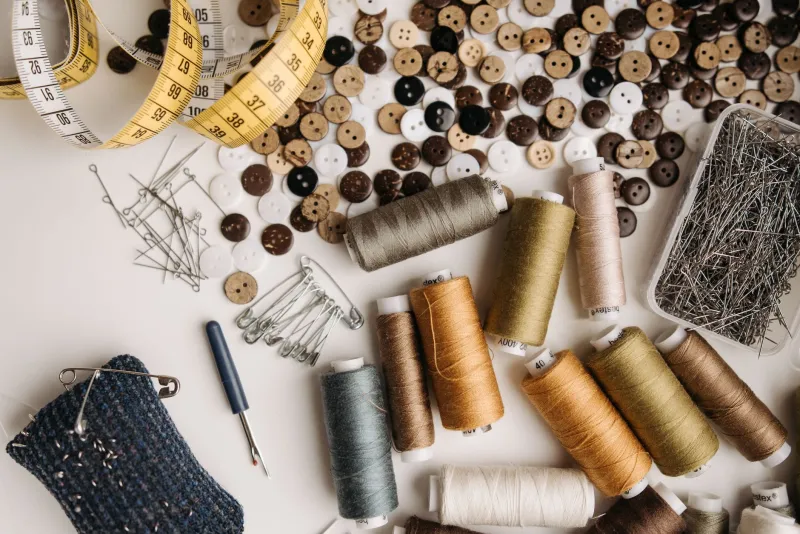
Medium pins handle a broken strap or a split seam in a pinch. Small pins are better for a loose bow, a gaping hook-and-eye, or a hem that’s drooping at the worst possible angle. Pack more than you think you need. Backstage, safety pins disappear like socks in a dryer.
2. The inside-out strap trick
This is the move that works on almost every strap emergency: turn the costume or strap so the repair faces the body, not the audience. Pin the broken ends together from the inside, with the clasp facing away from skin. Then add a small strip of fashion tape or body tape over the outside for extra hold if the strap is wide enough. The repair disappears from stage distance, and the dancer is less likely to feel metal digging in during a turn. If the strap is thin, frayed, or attached to something structural, stop and get a wardrobe volunteer.
3. Clear nail polish—for the right jobs only
Clear polish is a backstage classic for a reason. A tiny dab can stop a run in tights from climbing during the number, and it can secure a loose thread end so it doesn’t tangle around a finger. It is not a fabric glue, and it should not be painted directly onto delicate costume material. Test it on an inside seam if you’re unsure. Also: let it dry before the dancer moves. A sticky tights run is its own kind of drama.
4. Fashion tape and body tape
Double-sided tape is the quiet hero of necklines that gape, hems that flip, and straps that need one more vote of confidence. Pack both fashion tape and skin-safe body tape, and test a small piece on the dancer’s skin before show day if they’re sensitive. Backstage is not the moment to discover an adhesive allergy.
5. A spare pair of tights
Not “a” spare pair—a spare pair in the right shade and size. Tights are the most common costume emergency at Kikuta, because they catch on chairs, zippers, and the universe itself. Label the package with the dancer’s name and class. If the spare is the wrong color, it will not feel like a save.
6. A pre-threaded needle and two colors of thread
A full sewing kit is overkill in a dancer’s bag. A single needle threaded with black thread and another with white or nude thread can handle a popped button, a split hem, or a loose applique. If the repair needs more than three stitches, flag it. A rushed backstage sewing job can turn a small tear into a costume change problem.
7. Hair ties and bobby pins
Hair supplies are costume supplies. A hair tie can gather a broken strap out of the way, secure a bun that’s collapsing, or hold a small accessory until the number ends. Bobby pins can pin a loose sequin cluster flat or keep a headpiece from sliding. Keep them in a small snack bag so they don’t migrate through the kit.
8. Lint roller and stain pen
A lint roller fixes the “why is there fuzz on my black leotard” panic. A stain pen or a tiny packet of stain wipes can handle a water bottle drip or a makeup smudge. Blot, don’t scrub. Scrubbing is how a tiny mark becomes a visible wet patch under stage lights.
9. Small scissors and a nail file
Tiny scissors trim a loose thread without tugging the costume. A nail file can smooth a snag on tights—carefully—or rough up the end of a too-smooth ribbon so it grips a knot. Neither item is glamorous. Both earn their spot.
When to fix it yourself—and when to flag someone
A dancer can handle a loose thread, a drooping hem, a strap that needs an inside-out pin, or a tights run that’s already stopped. Those are small saves.
Flag a quick-change captain or wardrobe volunteer when the repair touches structure: a strap pulling away at the bodice, a zipper that won’t close, a hook-and-eye that has torn through fabric, a skirt hem that’s coming down in a way that could trip someone, or anything involving pins near the neck, face, or underarms. Also flag anything that affects a quick change. A pin that solves this number can become a hazard in the next one if nobody knows it’s there.
The rule at Kikuta is simple: if the fix takes more than a minute, or if you’re not sure it’s safe, say something. Backstage volunteers would much rather hear “this strap looks weird” than discover it during a lift.
Pack it like you mean it
Use a quart-size bag, not a makeup pouch. Label it with the dancer’s name. Restock it after every showcase, because the safety pins will vanish and the spare tights will get borrowed. Keep it in an outer pocket of the dance bag so it doesn’t get buried under shoes and water bottles.
And remember: the best backstage repair kit is not the one with the most stuff. It’s the one the dancer actually knows how to use. Practice the inside-out strap pin at home once, show a parent where the tape lives, and rehearse the sentence “Can I get a quick-change captain?” before the dressing room gets loud. Small fixes, calm hands, and a little tape go a long way toward keeping the show moving.