The Audience Member’s Backstage Pass: How to Read a Dance Concert Without a Dance Degree
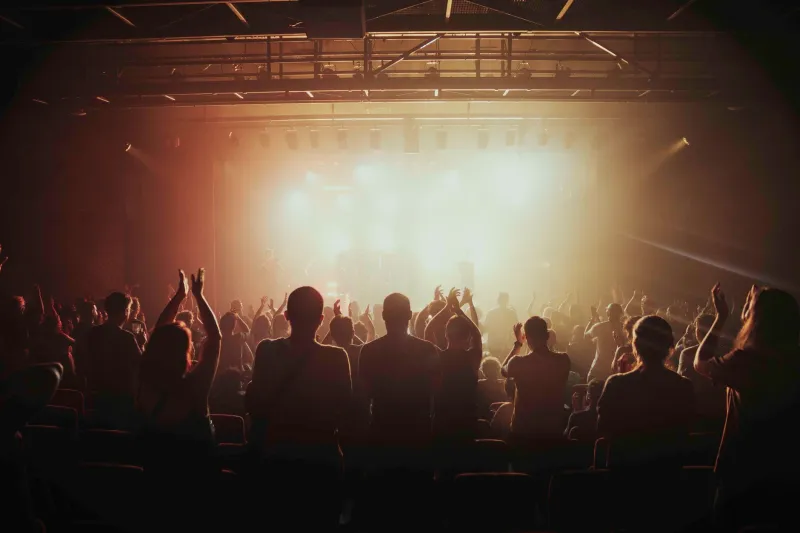
Walking into a dance concert without a dance background can feel a little like showing up to a potluck with no idea what anyone brought. You’re happy to be there. You just aren’t sure what to look at first. Good news: dance is built for audiences, not just for dancers. You don’t need a syllabus or a secret decoder ring. You need a little curiosity and a few things to notice.
At Kikuta, we love watching first-timers relax into a performance. The moment they stop trying to count steps is usually the moment they start enjoying the show. Here’s a beginner-friendly way to watch, whether you’re in the audience for a local showcase, a studio concert, or a family member’s big night.
You Don’t Need to “Get” Every Step
Think of a dance concert the way you think of a movie score. You don’t need to know how the composer wrote it to feel when something is tense, tender, or about to burst open. Dance works the same way. You can enjoy the shape of a movement, the timing of a lift, or the way a group suddenly goes quiet.
If your brain starts scrambling to identify technique, give it a gentler job: notice what catches your eye. That’s not a lesser way to watch. It’s actually how most people watch dance.
Listen for the Music’s Pulse
One of the easiest entry points is musicality—how the dancers relate to the music. Are they landing right on the beat? Sliding just behind it? Moving against the melody while the drums do something else? You don’t have to name it. Just listen for the conversation between sound and movement.
Sometimes a dancer will hold still while the music keeps going. That pause is part of the phrasing, like a comma in a sentence. Notice those little choices. They’re often where the personality of a piece lives.
Watch the Space Between Dancers
New audience members often watch one performer at a time. Try zooming out. Look at the gaps between dancers. Are they evenly spaced, or deliberately clustered? Does the group spread out like a fan, or fold inward like a conversation? Spacing tells you a lot about the mood of a piece without a single word.
In Kikuta’s mixed-level classes, dancers learn early that spacing isn’t just crowd control. It’s storytelling. Onstage, that translates into patterns you can absolutely enjoy without knowing the choreography.
Notice Breath, Not Just Shapes
A lot of dance looks impressive in photographs, but live performance has something photos can’t capture: breath. Watch for the rise and fall of a dancer’s chest, the recovery after a big phrase, the way a group inhales together before a jump. Breath makes movement feel human. It also helps you feel the effort and control underneath the polish.
Transitions Are the Tell
Beginners often wait for the big tricks. Experienced audience members watch the in-between moments. How does a dancer get from one pose to the next? Is the transition smooth, sharp, playful, hesitant? A clean transition can be just as satisfying as a leap. It’s also a great place to appreciate the craft of performance—the stuff that happens between the “wow” moments.
Stage Presence Is a Conversation
Stage presence isn’t about being the loudest person in the room. It’s about focus. Does the dancer seem to be looking at someone, or into a thought? Do they draw your attention when they move, and hold it when they don’t? You might notice one performer who barely travels but still owns the stage. That’s presence.
A Few Etiquette Basics
Dance concerts have their own rhythm, and a little etiquette goes a long way. Arrive a few minutes early so you’re not climbing over knees in the dark. Silence your phone—really silence it, not just vibrate. Save photos and video for when the venue says it’s okay. If you need to leave, try to wait for a natural pause or applause.
And please, don’t narrate the entire performance to your neighbor. A whispered “wow” is fine. A full play-by-play is not.
What to Say After the Show
“That was nice” is a perfectly kind thing to say, but you can go a little deeper without sounding like a critic. Try:
- “What moment stayed with you?”
- “I loved the section where the group went totally still.”
- “The music and the footwork seemed to click right there.”
- “Which dancer caught your eye first?”
These questions work for dancers and non-dancers alike. They invite a conversation instead of a verdict.
Give Yourself Permission to Have a Favorite
You’re allowed to like what you like. You don’t have to rank the pieces or explain your taste. Maybe you love the fast, flashy number. Maybe the quiet solo wrecks you. Maybe you spend the whole night watching the lighting. All of that counts.
Watching dance is a skill, but it’s not a test. The more you watch, the more you notice. And the more you notice, the more fun you have. At Kikuta, that’s the goal: not turning every audience member into a dance expert, but helping everyone feel a little more at home in the theater.