One Room, Two Speeds: How Kikuta's Mixed-Level Classes Build Stage-Ready Dancers
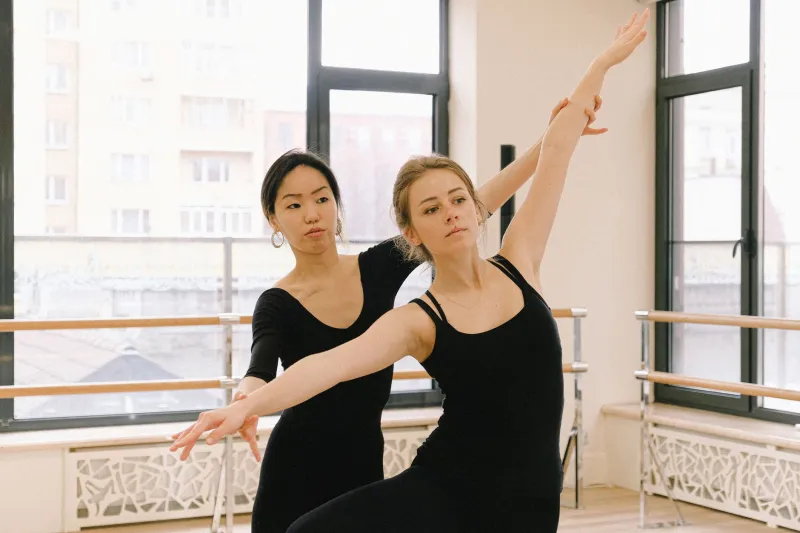
A mixed-level dance class can look chaotic from the hallway: one dancer is marking a turn, another is going full out, and a third is quietly counting under their breath. At Kikuta, teachers treat that mix as a feature, not a flaw. The goal is not to pretend everyone is at the same level. The goal is to give every dancer in the room a clear job.
We talked with Kikuta teachers about pacing, modifications, etiquette, and the awkward question every beginner eventually asks: how do I know when I am ready to move up? Their answers point to something bigger than class structure. A well-run mixed-level room can build the kind of studio community that carries onto a stage.
The Room Is Mixed. The Plan Is Not.
Kikuta teachers do not walk into a mixed-level class and wing it. Most build the class around a shared spine: a warm-up everyone can do, a center exercise with layered options, and a traveling combination that rewards timing before tricks. Beginners get the counts and the shape. Returning dancers get the texture, the breath, and the performance quality.
'You have to teach to the room without teaching to the middle,' says one Kikuta teacher. 'If you only aim at the most experienced dancers, beginners spend an hour watching. If you only aim at beginners, returning dancers get bored and start over-dancing. The sweet spot is a clear base layer with optional add-ons.'
That means the same tendu combination might have a beginner version with a simple reach and a returning-dancer version with a deeper articulation and a quicker recovery. The same jazz progressions might offer a single turn for some dancers and a double for others. Nobody has to announce which version they are doing. The teacher demonstrates the base, then shows the layer.
Pacing Without Pretending
Pacing is where mixed-level classes live or die. Kikuta teachers tend to run a combination slow first, then mark it, then try it at tempo. Beginners get a chance to find the pattern before the music gets loud. Experienced dancers are asked to clean their edges instead of racing ahead.
That is not a small thing. In a mixed room, the fastest dancer can accidentally become the class metronome. Teachers actively push back against that. If a returning dancer finishes a phrase early, the correction is usually about musicality, not speed. 'We say, do less but do it on the beat,' one teacher explains. 'That helps everyone. The beginner sees that control matters more than ambition.'
Water breaks are not a sign of weakness. Kikuta teachers build short resets into longer classes so dancers can ask a quick question, fix a shoe, or simply catch their breath. Beginners should feel free to step out of a full-out run and mark it. Returning dancers should feel free to slow down and refine. The room works when nobody is performing toughness.
Modifications That Do Not Feel Like a Demotion
The best mixed-level teachers make modifications feel normal. A ballet dancer might keep one hand on the barre during a balance. A jazz dancer might replace a turn with a clean preparation and pose. A contemporary dancer might take a floorwork phrase at a lower level before adding a rise. These are not lesser choices. They are smart choices.
Kikuta teachers often use a simple A, B, C approach. Option A is the base version. Option B adds a layer. Option C is for dancers who have the base clean and want more. Students choose based on the teacher's guidance, not ego. If a dancer is unsure, the rule is simple: take the version you can do without holding your breath.
There is also an etiquette piece. In a shared room, do not coach your neighbor unless they ask. Do not stand directly behind someone who is traveling. Keep your spacing. If you are lost, mark the phrase and join on the next eight-count instead of crashing through. Ask questions after the combination, not in the middle of the teacher's count-in. These small habits make a mixed room feel generous instead of tense.
How to Know You Are Ready to Move Up
Level readiness is not about feeling like the best dancer in the room. It is about whether you can handle the pace and recover from mistakes without falling apart. Kikuta teachers look for a few signs: you can pick up a short combination after two demonstrations, you know basic terminology, you can keep your spacing, and you can make a mistake without stopping the whole class.
That last one matters. Many dancers wait until they feel flawless, which can take years. A better question is: can you stay in the process? If you can mark when you are lost, ask a clear question, and try again without melting down, you may be ready for the next challenge. Talk to your teacher directly. Kikuta's placement conversations are not about gatekeeping. They are about matching dancers with the right stretch, not the wrong struggle.
The Case for Keeping Mixed Rooms Mixed
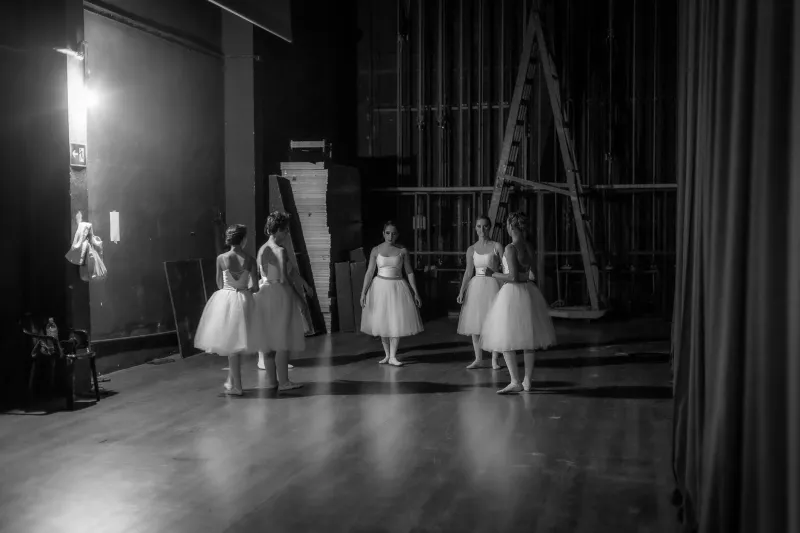
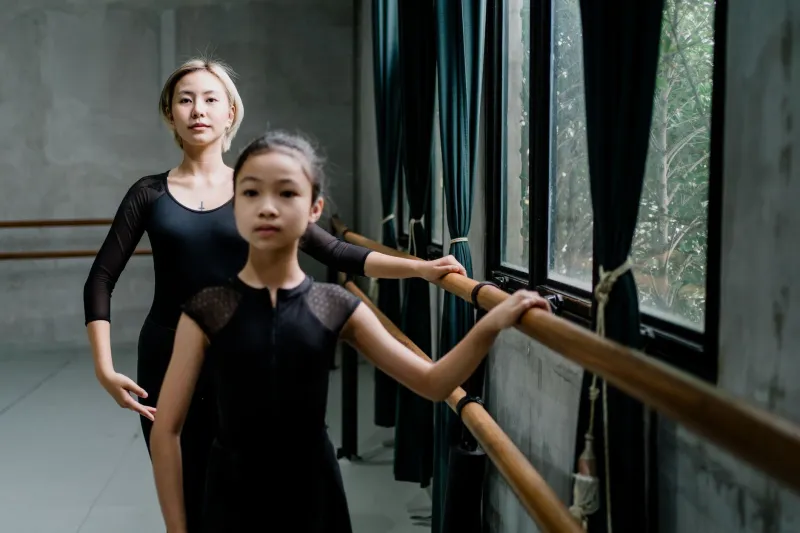
Here is the opinionated part: mixed-level rooms can build stronger studio communities than perfectly separated levels. They create mentors, not just competitors. A returning dancer learns to articulate what they know. A beginner sees a path forward that is close enough to touch. The room starts to look like a real stage company, where principals and ensemble dancers rehearse side by side and everyone has to know the same counts.
That does not mean every class should be mixed. Advanced pointe, partnering, and high-level repertory need focused rooms. But for many ballet, jazz, and contemporary classes, the mixed room is a training ground for stage-ready behavior: timing, spacing, humility, and the ability to work alongside dancers at different points in their journey.
Mixed-level is not mixed-up when the teacher has a plan and the students share the room like adults. The magic is not that everyone is the same. The magic is that everyone has a job, a modification, and a reason to come back next week.