The Mirrors Go Dark: Inside Kikuta’s Final Run-Through Ritual
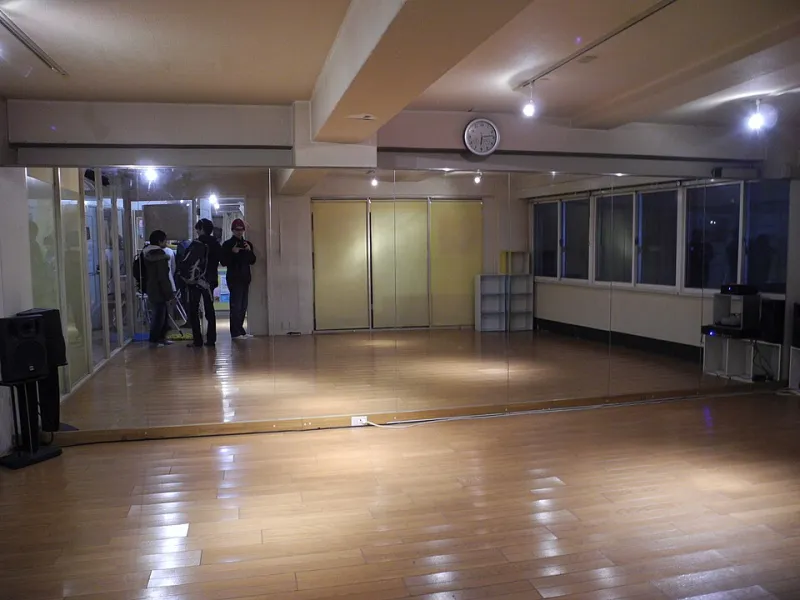
Photo: Douglas P. Perkins, CC BY 3.0, via Wikimedia Commons
The Night the Studio Goes Dark
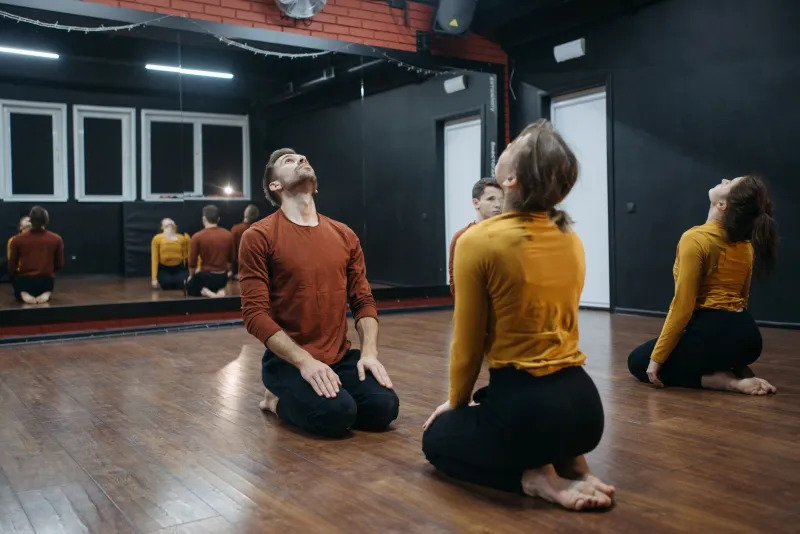
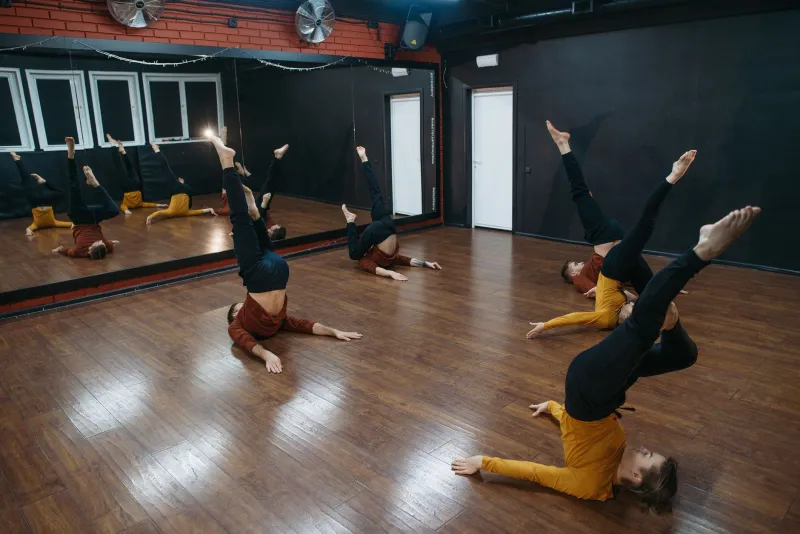
Walk into a Kikuta studio during the last week of recital prep and something feels different. The barres are pushed to the wall. The tape marks are sharper. And the big mirrors that usually run along the front of the room are covered with black fabric, paper, or whatever the teachers have on hand.
For first-time students, it can feel a little ominous, like the studio is hiding something. For returning dancers, it’s a familiar signal: the run-through is about to get real.
“The first time they cover the mirrors, everyone gets quiet,” says one Kikuta instructor. “Then someone makes a joke about dancing in the dark, and we get to work.”
The work is the point. Covering the mirrors isn’t about making rehearsal feel mysterious or dramatic. It’s a teaching tool that pushes dancers to rely on feeling, spacing, music, and memory instead of a constant visual check-in.
Why Teachers Cut the Visual Feed
Most dance students spend plenty of time in front of a mirror. It’s useful. A mirror helps you see whether your arm is level, whether your hips are square, whether your lines match the rest of the group. But a mirror can also become a crutch.
When dancers watch themselves constantly, they can start dancing “to the mirror” rather than to the music or the audience. They may fixate on one small detail and miss the bigger picture. They may look great in class and then feel lost onstage, where there is no mirror and the lighting makes everything look different.
“A mirror is a great correction tool, but it is a terrible audience,” the instructor says. “The audience doesn’t need you to check your reflection. They need you to be present.”
That’s where the blackout run-throughs come in. By removing the reflection, teachers force dancers to use proprioception — the body’s sense of where it is in space — along with musical cues and spatial landmarks. Dancers have to feel the phrase instead of watching it. They have to trust their preparation instead of constantly editing in real time.
What Dancers Notice When They Can’t Check
The first few minutes are usually a little wobbly. Students report reaching for a mirror glance out of habit, then remembering there’s nothing to see. Some feel unmoored. Others suddenly hear the music more clearly.
“I didn’t realize how much I was dancing to the mirror instead of the music,” one student says. “Once it was covered, I had to actually listen. My counts got better because I wasn’t waiting to see what everyone else was doing.”
Another student describes the shift differently: “It felt like someone turned off the GPS. At first I was nervous. Then I started using the floor and the other dancers to know where I was. By the third run, I trusted it more.”
That trust is the goal. On a stage, dancers don’t get a mirror. They get a wing, a lighting cue, a patch of floor, and a group of people counting under their breath. Kikuta’s blackout run-throughs are a low-stakes way to practice that reality before the stakes get higher.
The Difference Between Rehearsal and Performance
Rehearsal is where you fix things. Performance is where you commit to them. The covered mirror helps dancers feel the difference.
In early rehearsals, teachers may stop and adjust a line or reset a formation. In the final run-throughs, the goal is continuity. The mirror goes dark, the music starts, and dancers practice moving through mistakes instead of freezing to check their reflection. That’s a skill the audience never sees, but it shapes everything they do see.
It also helps with facial expression and stage presence. When dancers aren’t studying their own faces, they’re more likely to connect with the movement, the music, and the people around them. The performance starts to look less like a test and more like a conversation.
How to Practice Mirror-Free at Home
You don’t need a blackout curtain and a full studio to try this. Dancers preparing for the 2026 recital season can build the same skill at home with a few simple adjustments.
1. Cover the mirror, not the whole room. A sheet over the bedroom mirror or a towel over the closet door is enough. The point is to interrupt the habit of checking.
2. Pick landmarks. Use a floorboard, a rug edge, or a piece of tape to mark your starting spot. Practice finding your spacing without looking at yourself.
3. Record from the front instead. Set your phone up to record one run-through, then watch it afterward. You get feedback without getting stuck in the middle of the dance.
4. Dance one phrase with your eyes closed. Not the whole routine — just a short phrase. Notice what your feet, shoulders, and breath are doing when you can’t see.
5. Change rooms. Practice in a different space, even a small one. A new room forces you to adjust your spacing and stop relying on muscle memory tied to one set of surroundings.
6. Use a mirror check with a timer. If you’re working on a specific correction, give yourself two minutes in front of the mirror, then cover it and run the phrase. The mirror becomes a tool, not a security blanket.
7. Ask for outside eyes. A friend, parent, or fellow dancer can watch one run and give you two notes. That mirrors the audience experience better than self-monitoring ever will.
A Tool, Not a Rule
Kikuta teachers still use mirrors. They’re valuable for technique, alignment, and cleaning choreography. The blackout run-through isn’t a rejection of mirrors; it’s a boundary. There’s a time to check, and there’s a time to commit.
By the time recital week arrives, the covered mirror stops feeling strange. It starts feeling like a cue: stop watching, start dancing. For students, that shift can be the difference between hoping the performance goes well and trusting that they’re ready for it.