Before the First Plié: What Kikuta Instructors Can Read in Your Arrival
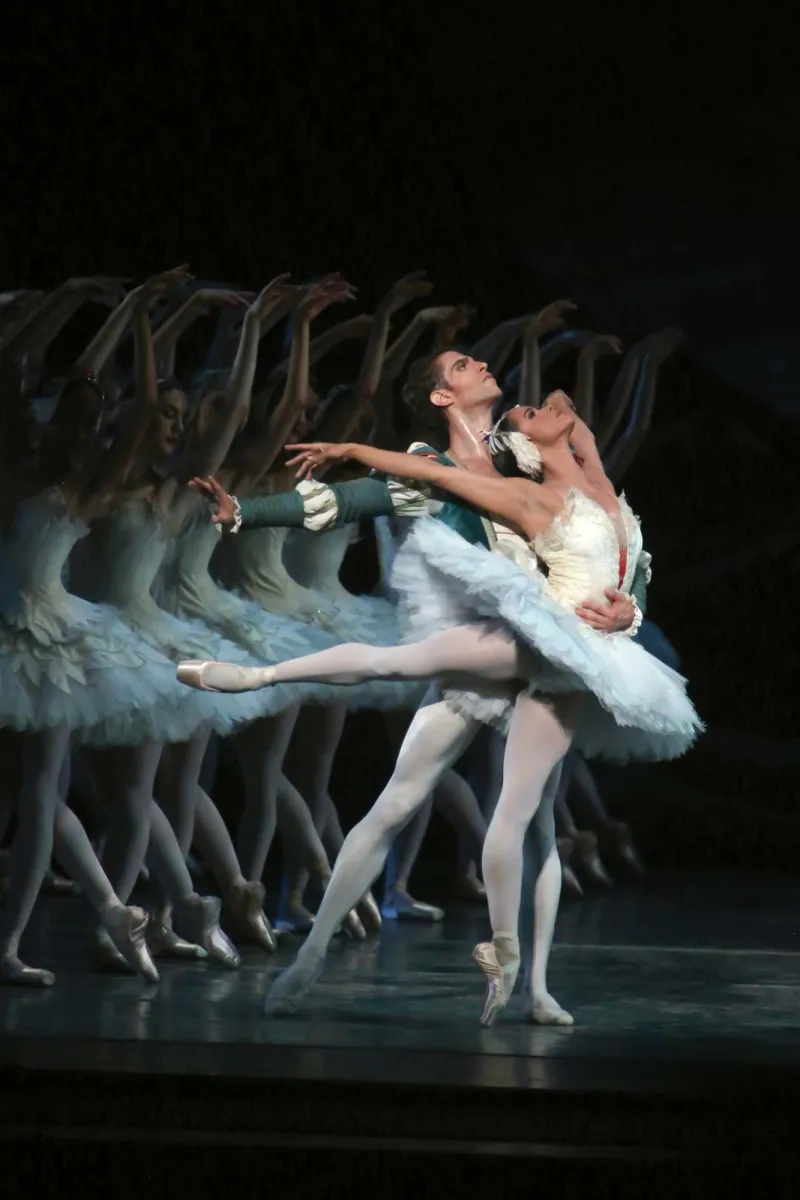
Photo: ballet students arriving at studio barre water bottle early class, via cdn.britannica.com
Walk into any Kikuta studio a few minutes early and you'll see it: students drifting in, unzipping bags, test-stepping a tendu, trading a quick hug with a friend from Wednesday's class. It looks like dead time. It isn't. Instructors are reading the room the whole way through, and most of what they pick up happens before the first chord of the warm-up.
That's not surveillance. It's planning. A teacher who knows the room is scattered, tense, or unusually giggly can pace the class to match—or gently nudge it somewhere better. So here's a look at what actually registers in those opening moments, and how to use it without turning your entrance into a performance.
The Doorway Is the First Correction
Most Kikuta faculty will tell you that posture at the door matters less than approach at the door. Do you walk in like the room belongs to you too, or do you slip in along the wall like you're late for a dentist appointment? Noticing this isn't about confidence theater. It tells a teacher whether to open class with a grounding exercise or jump straight to brisk barre work.
Same goes for the pace of your first thirty seconds. Some dancers need to land, set their things down, and take a breath. Others burst in and want to move immediately. Neither is wrong. But if a room is all burst and no breath, a good teacher slows the beginning down. If it's sluggish, they speed it up. Your entrance is one data point among twenty, but it counts.
Seven Things That Register Before the Piano Plays
1. Where the water bottle lands. A bottle placed clear of the barre and out of walkways signals spatial awareness. A bottle set down in the middle of the floor, or exactly where the next person needs to stand, tells a teacher they may need to call out floor spacing during center work. Nobody's keeping a ledger. But safe rooms come from small habits.
2. How you greet the person next to you. A nod, a wave, a flat "hey," an actual conversation—these set the social temperature. Kikuta classes mix levels and ages, and instructors notice whether the room is opening up or clumping into familiar islands. If you see a newer student hovering, a five-second hello from you genuinely changes how the whole class breathes.
3. Whether you look for a spot or for a person. Dancers who scan the barre for a sensible place to stand show self-management. Dancers who scan for a friend show they value the room's social side. Both fine. But the first group is quicker to adapt when a teacher reassigns barre spots, and the second group tends to keep energy high.
4. Where your eyes go first. Do you check the mirror, the teacher, the clock, or the doorway? A quick glance at the instructor is a sign you're ready to be led. A long stare in the mirror before class starts often means you're already self-editing—worth watching, not scolding.
5. How you handle your phone. Kikuta's studios ask for silenced phones in bags before the warm-up. A quick airplane-mode toggle reads as respect for the room. A phone that ends up face-up on the floor near the barre reads as something a teacher may need to address later. Small thing, but it shapes how a room focuses.
6. The bag drop. Coats on hooks, bags tucked under benches, shoes lined up—it's a tidiness signal that tells teachers whether the room knows the drill. New students don't, and that's fine. But the room's overall drop-zone habits tell an instructor how much housekeeping to do before class can flow.
7. The pause before the barre. This one is subtle. After setting things down, some dancers take a quiet second—feet under them, breath settling, eyes half-closed. That pause is the sound of someone switching gears. Teachers notice it because it's contagious. When a few dancers do it, the whole room comes into the first plié calmer.
Why the Scan Isn't a Judgment
It would be easy to read this as a checklist for getting on a teacher's good side. That's not the point. Kikuta instructors aren't grading entrances; they're answering a practical question: how do I teach this group today? A scattered room needs more structure. A room full of nervous first-timers needs a slower build. A room with a recital in three weeks needs sharper pacing from minute one.
That means the same arrival habits get read differently class to class. If a teacher goes quiet and lets the room settle on its own, that's a choice. If they start with a spoken count to gather attention, that's a choice too. Both come from what they saw in the first ten seconds.
Using the Awareness Without Going Self-Conscious
The worst version of this knowledge is standing in the doorway trying to remember seven things at once. Don't do that. Pick one or two that make sense for you this month.
If you tend to arrive scattered, try the quiet pause before the barre. If you tend to hover, pick a spot on your own once per class instead of waiting for someone to wave you over. If you're a new student, don't worry about the bag drop—watch where the regulars hang their coats and copy them next week.
And if you're the person who bursts in with a big hello and a story about your commute, don't change that. Kikuta is a dance school, not a monastery. Energy matters. Just be willing to read the room you're bursting into. If it's quiet, match it for a moment, then bring the energy as class warms up.
The first ten seconds aren't an audition. They're just the opening of a conversation between you and the room. Show up, settle in, look up, and let the teacher meet you where you are.