One Note, One Week: The Kikuta Habit That Turns a Mid-Class Correction Into Real Progress
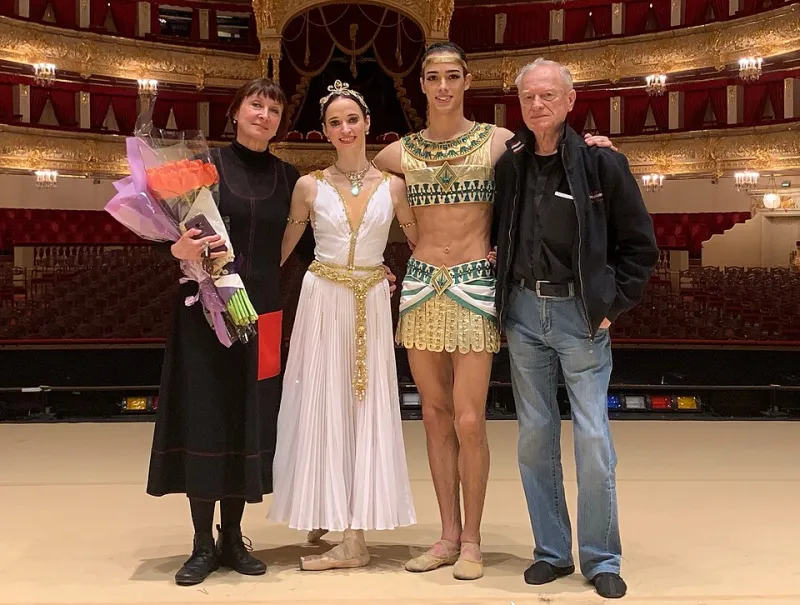
Photo: Alexey Yakovlev, CC BY-SA 4.0, via Wikimedia Commons
You're three counts into the adagio, holding the balance, feeling pretty good about it. Then your teacher says, "Lift the sternum before the turn." The music keeps going. Your brain stops. You spend the next eight counts wondering if you've been doing it wrong this whole time.
If that sounds familiar, you're not alone — and you're not in trouble. At Kikuta, corrections are part of the room's normal weather. They land mid-combination because that's when the habit is actually visible, not because the teacher has been saving up a critique. The trick is learning how to catch one without dropping the rest of the class.
Why the Note Shows Up in the Middle of the Combination
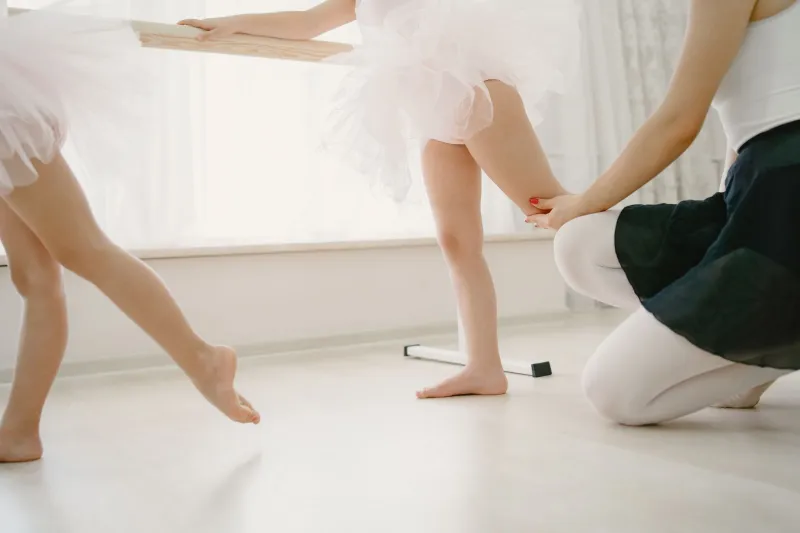
Teachers don't wait until the end for a reason. A correction delivered while you're moving is attached to the sensation of the movement — the tilt of the ribcage, the timing of the head, the weight in the standing leg. If you wait until everyone has finished and caught their breath, the body has already moved on and the note becomes a memory exercise instead of a physical one.
So yes, it can feel abrupt. It's also efficient. At Kikuta, the mid-combination correction is less of a pop quiz and more of a tap on the shoulder: this thing, right here, right now.
The Freeze Is Normal. The Apology Is Optional.
Most dancers have one of two reactions when a correction arrives: freeze completely, or immediately say "sorry" and shrink two inches. Neither is required.
A small nod and a quiet "got it" is plenty. Then keep moving. The apology is the part that turns a coaching moment into a guilt moment, and it eats up the reps you actually need. You didn't break anything. You're being taught.
If you're the kind of student who needs a second to process, give yourself a ten-second reset between combinations — not a full mental replay of the entire class, just a pause to file the note somewhere.
Pick One Thing and Give It a Name
Here's the ritual that Kikuta students tend to come back to: after class, write down exactly one correction. Not five. One.
Put it in your own words, not the teacher's shorthand. If the note was "anchor the turn," you might write, "press the standing heel before I spot." Give it a short nickname — something silly is fine. "The Tall Ribbon" for a sternum cue. "The Quiet Foot" for a noisy landing. The nickname is not childish; it's a handle. It makes the note easier to grab in the middle of a combination when your brain is already busy.
One note, one week. That's the deal.
The Clarifying Question That Doesn't Wreck the Room
Sometimes a correction is clear. Sometimes it's a riddle. If you genuinely don't know what the teacher means, ask — but ask well.
Wait until the combination ends. Then ask one specific question, not a general "what did you mean?" Try: "When you said 'anchor the turn,' do you mean spot earlier, or press the standing heel?" That kind of question tells the teacher you were listening and gives them something concrete to answer. It also keeps the class moving instead of turning into a private lesson.
One question. Specific. After the music stops. That's the whole protocol.
The Following Week Is the Real Test (and It's Low-Stakes)
Here's where dancers get tripped up: they expect the correction to be fixed by the next class. That's not how bodies learn. The correction is a direction, not a switch.
What you're looking for next week is not perfection. You're looking for the note showing up in one exercise, or for your teacher to say it again — which is also fine, because it means you're in the work. Sometimes the win is that the teacher says nothing at all, because the habit has quietly moved from "problem" to "normal."
Progress in dance class is boring up close. Less wobble. A quicker adjustment. A correction that used to require a full stop now only requires a half-second thought. Those count.
For Parents: The Car Ride Home
If your dancer comes home frustrated about a correction, resist the urge to solve it. Don't ask, "Did you get corrected today?" It makes the note sound like a demerit. Ask instead, "What's one thing you're working on this week?"
If they're upset, let them be upset for a minute. Then point them back to the one-note ritual: write it down, give it a name, bring it to the next class. And please don't email the teacher about a single mid-class correction. At Kikuta, that's the everyday machinery of teaching, not a red flag.
Progress Looks Boring Up Close
The dancers who improve fastest at Kikuta aren't the ones who never get corrected. They're the ones who hear a note, nod, say thanks, and then quietly bring it back the following week — one thing at a time. That's it. That's the whole secret.
So the next time your teacher stops you mid-combination, try this: don't freeze, don't apologize, and don't try to fix everything at once. Take the note. Thank them. Pick one word to remember. Then show up next week and see what your body did with it.