The Front-Door Pause: How Kikuta Families Sort a Sniffle From a Stay-Home Day

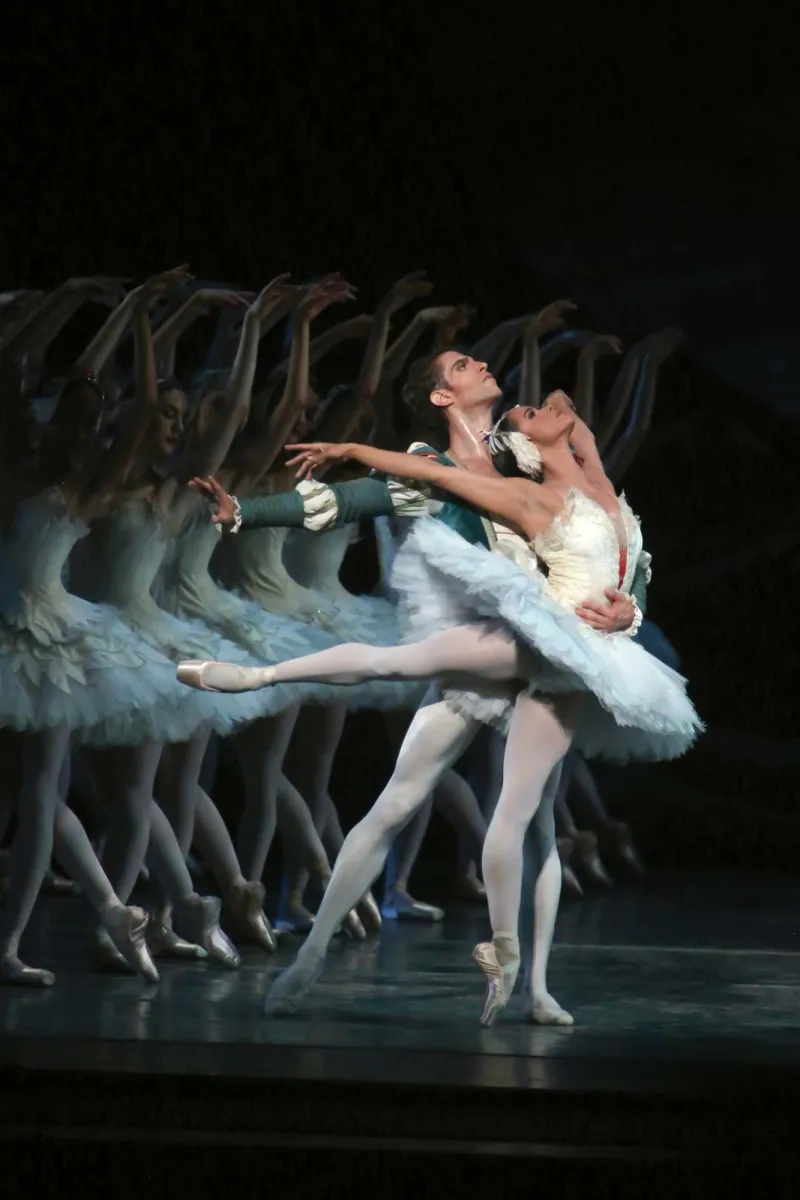
Photo: Becker1999, CC BY 2.0, via Wikimedia Commons
Winter at Kikuta has its own soundtrack. The lobby door squeaks with cold air, someone’s dance bag is stuffed with a coat that never made it to a hook, and a parent is quietly asking, “Do you feel okay enough for class?” It is the season of sniffles, coughs, and the very American temptation to power through because the calendar is already full.
This is not a medical guide. It is a studio-etiquette guide — a way to make the front-door decision a little calmer, protect the room, and keep a missed class from turning into a family crisis. Think of it as the pause before you zip the dance bag.
Start With the Front-Door Pause
Before the car keys come out, Kikuta families can run a short, honest check. Not a diagnosis. Just three questions that tend to sort the day quickly.
First: is there a fever? If a dancer has a fever, the dance bag stays by the door. That is not about toughness or missing a correction. It is about the room. A warm studio, shared barres, and close formations are not the place to test a fever.
Second: has there been vomiting or diarrhea in the last twenty-four hours? Same answer. Stay home, hydrate, and let the body reset. Nobody at Kikuta expects a dancer to perform through a stomach bug, and the front desk would rather hear “we’re staying home” than see a pale dancer arrive “just in case.”
Third: is the cough constant enough to interrupt class? A cough that makes a dancer miss counts, struggle to breathe comfortably, or need to leave the room every few minutes is a stay-home signal. A occasional throat clear is one thing. A cough that owns the room is another.
If the answer to any of those is yes, the decision is made. No guilt spiral required. Send the email, note the class, and move on.
The Mask-and-Bottle Middle Ground
Not every winter symptom is a stay-home day. There is a middle ground at Kikuta: mild congestion, no fever, normal energy, and a cough that is manageable. In that case, a mask and a personal water bottle can be reasonable etiquette tools — not magic shields, just considerate ones.
A dancer who arrives with a mask should still be able to take class comfortably. If the mask makes breathing harder during petit allegro, that is information. It may be a sign to stay home or to choose a lighter class day. A water bottle with a closed lid is also a small but real courtesy. Shared water fountains and borrowed bottles are part of winter’s greatest hits, and Kikuta dancers can skip that chorus.
Teach the sleeve sneeze, the elbow cough, and the “step to the side” habit. A dancer who needs to cough can step out of the center, cough, wash hands, and return. That is not dramatic. It is good studio citizenship.
One more middle-ground rule: a wrapped cough drop is not a substitute for staying home. If a dancer needs a steady stream of lozenges just to get through barre, the body is asking for rest. Also, cough drops in a dance bag should be treated like any small object — away from little siblings, out of reach during quick changes, and never a reason to skip the front-door check.
How to Tell Kikuta Without Writing a Paragraph
Kikuta instructors do not need a medical chart. They need clear, useful information: who is missing, which class, and whether the family wants to schedule a makeup. Keep it short.
A workable email subject line is: “Absent — [Dancer’s name], [Class day/time].” In the body, something like: “Hi Kikuta front desk — [Dancer] will miss tonight’s Level 2 ballet class. She has a fever and will rest. Can we schedule a makeup next week? Thanks — [Parent name].” That is enough. No need to describe every symptom in detail.
If the absence is same-day, call the front desk or send the email you know the studio checks. If a dancer is returning after an illness, a quick note — “back today, still coughing a bit, will step out if needed” — helps the instructor read the room without making the dancer feel watched.
And if the dancer is old enough to email the studio themselves, let them. A short note from a teenager is a small act of ownership. It also teaches the kind of communication that serves dancers well in rehearsals, auditions, and adult life.
The Makeup-Class Conversation, Before the Sneeze
The easiest time to learn Kikuta’s makeup-class policy is before anyone is sick. Ask now: How much notice does the studio prefer? Are makeups scheduled through the front desk or an online form? Is there a window — say, within four weeks — or a limit per semester? Are there classes that are simply too full to absorb a makeup?
Once you know the rules, a sick day becomes a logistics question instead of a loyalty test. The dancer misses one class, the family sends one email, and the makeup goes on the calendar. Progress is not lost because a Wednesday barre was missed. It is lost when a dancer spends three weeks coughing through class and learns to associate the studio with exhaustion.
For older students, ask the instructor whether there is a short home assignment — not a full class, just a few minutes of marking choreography or reviewing notes. Kikuta teachers are usually happy to point a dancer toward the right review. But keep it light. A sick day is not the time to turn the living room into a second studio.
The Return-to-Barre Check
When the dancer is ready to return, run the front-door pause one more time. Fever-free for twenty-four hours without fever-reducing medicine is a common family benchmark. Energy back to normal? Eating and drinking okay? Cough manageable? If the answer is still shaky, one more rest day is cheaper than a relapse.
At the studio, returning dancers can start slower than they think. Take the first combination a little smaller. Use the water bottle. Tell the teacher if a cough is still hanging around. None of that is weakness. It is the same smart pacing Kikuta teaches in rehearsal.
The Room Matters
Kikuta’s classes are shared spaces. There are dancers with asthma, dancers recovering from other illnesses, and family members in the lobby who are more vulnerable than they look. The front-door pause is not about being afraid of a sniffle. It is about being honest about what a dancer is bringing into the room.
So this winter, make the decision at the door — calmly, quickly, and without a family debate. If it is a stay-home day, send the short email, schedule the makeup, and let the barre wait. It will still be there when the dancer is ready.