Seams, Hems, and Honest Movement: A Parent’s Guide to Kikuta’s Costume Check Night
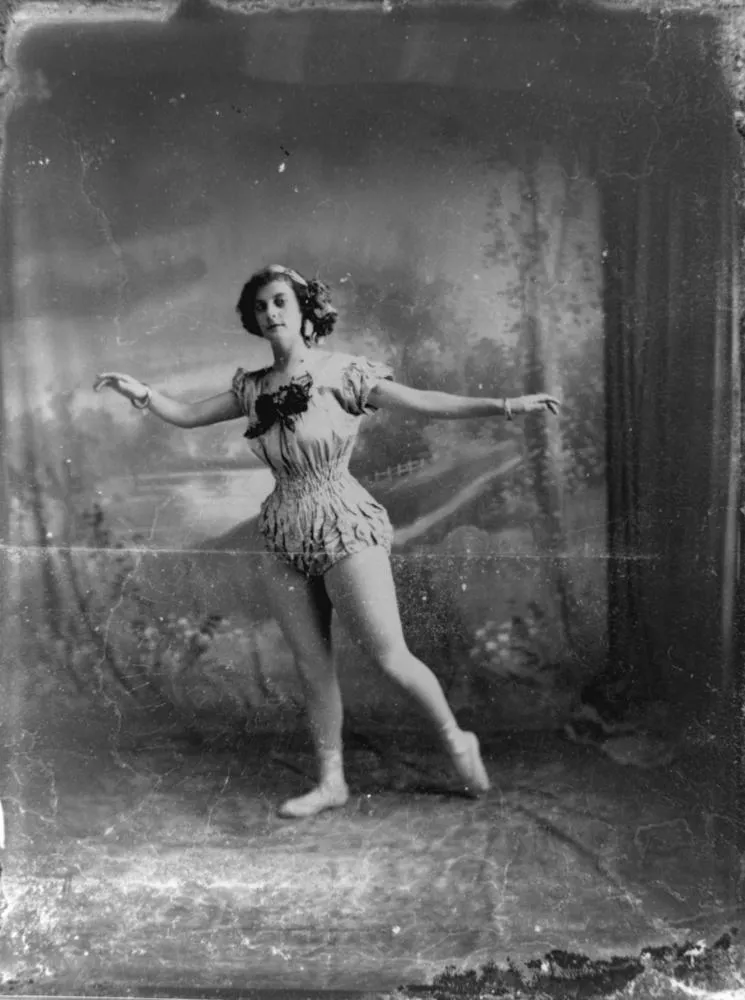
Photo: Unknown, Public domain, via Wikimedia Commons
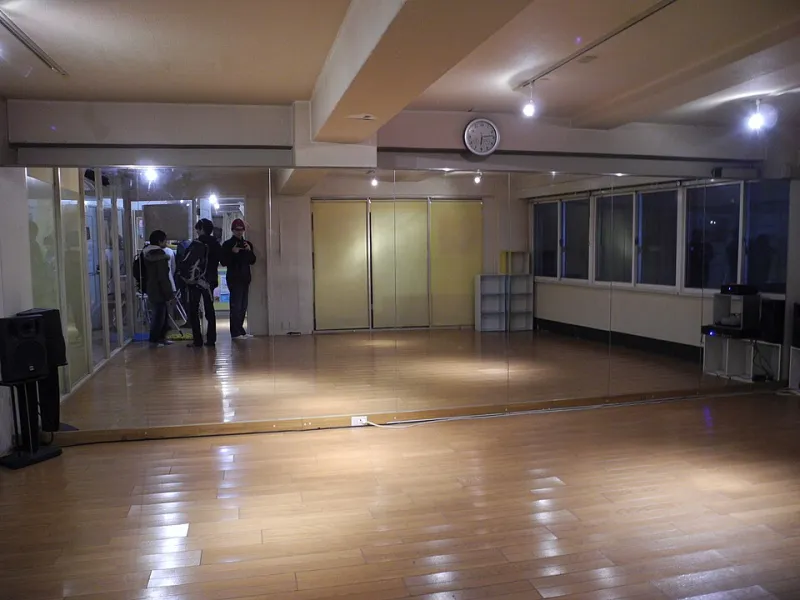
Fit-check night at Kikuta does not look like a fashion show. There is no runway, no stage lighting, and nobody asking a dancer to pose. On a recent November evening, the studio looked like a very organized closet explosion: garment bags draped over chairs, shoes lined up near the mirror, and parents holding coffee while their dancers disappeared into the changing room. The goal is simple and unglamorous. Teachers need to see how the costume behaves when the dancer actually moves.
It Is a Movement Test, Not a Photo Call
A costume can look perfect on a hanger and still fail on a body in motion. That is why Kikuta schedules a mid-season fit check long before the 2026 recital season gets loud. Dancers arrive in class clothes, put the costume on over them, and run a short phrase from their piece. Teachers watch the shoulders, the hem, the straps, and the dancer’s face. They are not judging whether the color flatters. They are checking whether the garment lets the dancer do the job.
This is also not dress rehearsal. There is no full run, no stage makeup, and no pressure to perform. The room is bright and practical. Teachers ask for arm circles, a grand plié, a small jump, and a walk across the floor. If a skirt hikes up, a strap slides, or a sleeve pulls, everyone finds out now.
What Families Should Bring
The best fit-check nights are boring in the best way. Dancers come prepared, teachers make notes, and families leave with a short list instead of a mystery.
- The complete costume, including any pieces that live in a separate bag. That means belts, bows, gloves, jackets, and hair accessories.
- The shoes that will be worn onstage, not the ones your dancer wore to the studio.
- Tights and undergarments that will be worn with the costume. Fit changes when layers change.
- A hair tie or two, plus any hairpiece the piece requires.
- A labeled bag or garment bag. Studios are busy places, and a costume that goes home with the wrong family is a special kind of headache.
- A water bottle and a little patience. Fit checks move quickly, but they still involve waiting.
Leave the snacks and the siblings at home if you can. This is a focused appointment, not a hangout. If a family must bring siblings, that is fine, but a quiet tablet and a chair help.
What Teachers Are Really Checking
The checklist is more technical than most parents expect. Teachers look at seam stress first. If the fabric pulls across the back when a dancer reaches overhead, the size or cut may be wrong. They check underarm seams, shoulder seams, and the place where a bodice meets a skirt. A seam that is already strained in November will not survive a recital in spring.
Next comes hem length. A hem that hits the floor is not automatically safe. Teachers watch how the fabric moves during turns and jumps. A long hem can catch under a shoe. A short hem can ride up when a dancer lifts an arm. The right length depends on the choreography, not just the dancer’s height.
Straps and closures get a workout too. Teachers ask dancers to move their arms, bend, and twist. If a strap slips, a hook catches, or a zipper creeps down, it is better to fix it now. They also check shoes. A shoe that slides off during a leap is a hazard, not a minor annoyance. Teachers look at heel fit, toe room, and whether the dancer can move safely.
Finally, they watch the dancer’s face and hands. A costume that requires constant adjusting pulls focus. A dancer who is thinking about an itchy waistband or a loose bow is not thinking about the music.
The Confidence Check Nobody Lists
Fit-check night is also a confidence check. Some dancers feel different in costume. Some love it. Some suddenly forget how to walk. Teachers notice both. They watch whether a dancer stands taller, hides behind a skirt, or keeps tugging at a sleeve. That information matters.
If a dancer is uncomfortable, teachers can often solve it with a small adjustment. A different undergarment, a pin, a strap tack, or a hem change can turn a distraction into a non-issue. The point is not to make every dancer feel like a princess. The point is to make every dancer feel free enough to perform.
Why This Saves Recital-Night Panic
Recital night is not the time to discover that a zipper is broken or a hem is dangerous. Backstage is crowded, time is short, and the pressure is high. A five-minute movement test in November can prevent a forty-minute emergency in May. Teachers can order a replacement piece, plan an alteration, or suggest a different shoe before the problem becomes urgent.
Families also leave with clear instructions. Maybe the costume needs a small stitch at the shoulder. Maybe the tights need to be a different shade. Maybe the dancer needs to practice walking in the shoes at home. A short list is much easier to handle than a last-minute scramble.
How to Prep at Home
Before fit-check night, have your dancer try the costume on for ten minutes. Ask them to reach up, bend down, sit, and walk. Check the tag for care instructions. Label the costume and the bag. Break in new shoes around the house, but keep them clean. If something looks off, bring it to the check instead of trying to fix it quietly. Teachers would rather see the problem than hear about it after a seam gives way.
If Something Is Wrong
Do not panic. Fit issues are normal. Kikuta teachers have seen every kind of strap, hem, and zipper problem. They can pin, adjust, and advise. What they do not want is a family making major alterations without a conversation. A quick note or a question at check-in is enough.
The costume is a tool, not the whole show. When it fits and moves well, the dancer can forget about it and focus on the stage. That is the real goal of fit-check night: not a perfect photo, but a dancer who is ready to move.