Mouth First, Feet Second: The Spoken-Count Habit Kikuta Teachers Drill Before the Music Starts
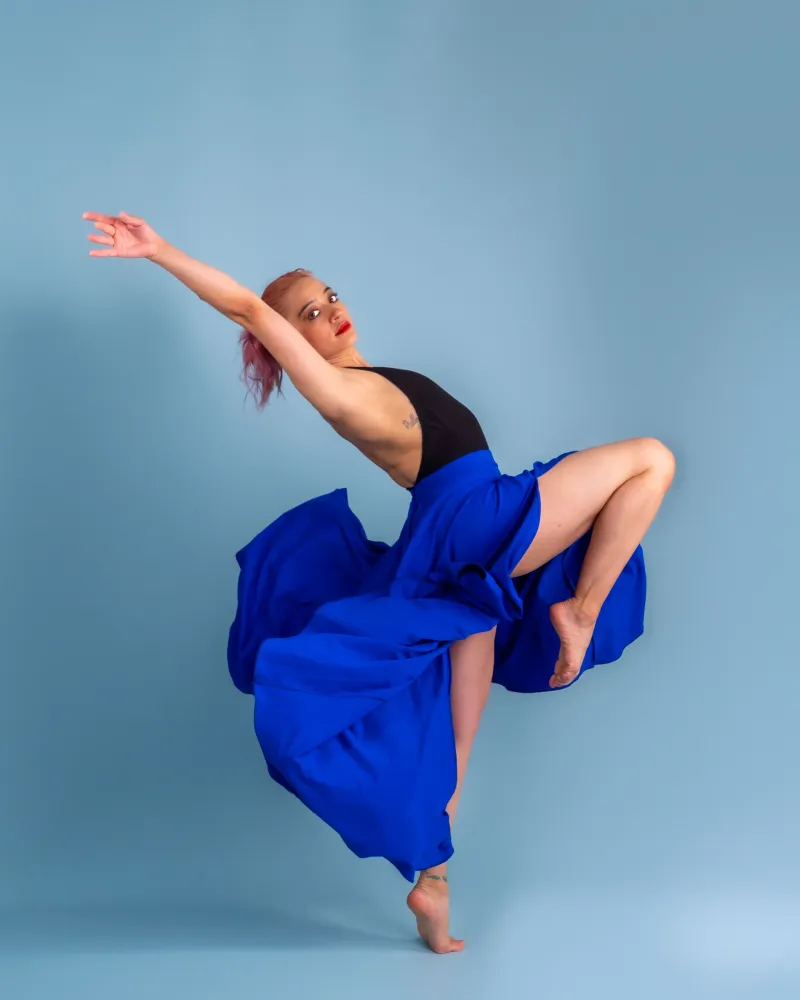
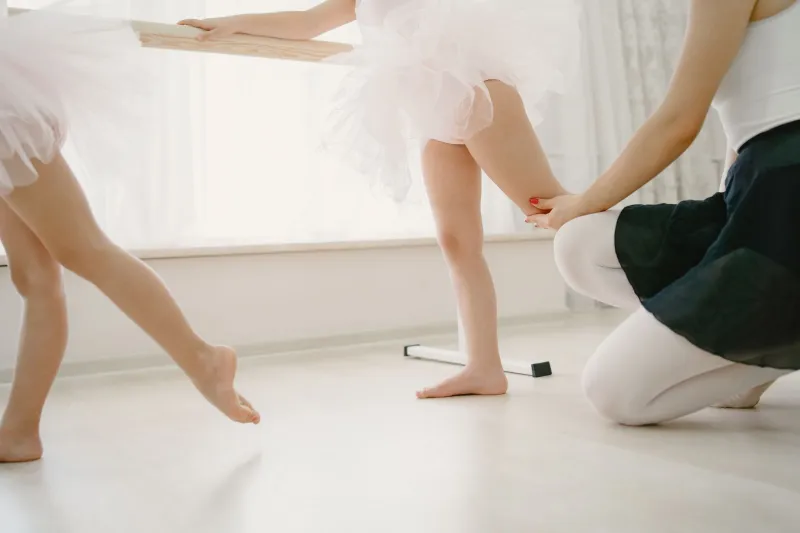
Photo: dance students counting rhythm aloud in studio with teacher, via images.pexels.com
There is a moment near the top of many Kikuta classes that sounds less like a dance studio and more like a room full of people quietly doing math together. The teacher calls a tempo. The pianist or playlist waits. And the dancers — beginners included — count the phrase out loud, tap the rhythm on their thighs, and only then let the movement begin.
It is not a warm-up gimmick. Across Kikuta's class levels, speaking counts, rhythm syllables, and musical cues before dancing them has become one of the most reliable habits in the room. The idea is simple: give the body a map in a language it already knows before asking the feet to read it at speed.
Why the Mouth Gets Involved
Dancing to music looks like a physical skill. Underneath, it is a listening skill with a deadline. When a dancer says a count out loud, several systems come online at once: the ear hears the beat, the voice commits to it, the hand or foot marks it, and the brain files the pattern under 'already done once.' Teachers at Kikuta describe that overlap as a kind of rehearsal shortcut. A rhythm spoken is harder to lose than a rhythm merely heard.
There is also a social benefit. Counting aloud is a low-stakes way to be wrong in public. A student who mumbles '5, 6, 7, 8' and drifts a beat early finds out immediately — and fixes it before the combination gets larger. That early correction is cheaper than discovering the problem in a run-through with the whole class watching.
What It Sounds Like From Beginner to Advanced
The method does not change with level so much as it gets more detailed.
Beginners usually start with plain numbers and a physical marker. A teacher may ask the class to count 1 through 8 while stepping in place, clapping on the downbeat, or tapping the thigh on each count. The goal is not musical sophistication. It is steadiness: hearing where '1' lives and trusting that '8' will arrive on time.
Intermediate dancers add syllables. Instead of '1 and 2 and,' a class might speak 'ta-ka-di-mi' for a faster run of notes or 'and-a' for a syncopated pickup. This is where spoken counting starts to sound like the choreography itself. Dancers learn to say the shape of a phrase — the limp, the snap, the held beat — before their legs try to reproduce it.
Advanced students often count in larger blocks. They may speak a breath cue, a dynamic word, or the first lyric of a phrase, then count only the tricky bar. At that level, the out-loud work becomes less about numbers and more about intention: where the phrase lifts, where it settles, where the music leaves a gap that the body has to fill.
The Five-Minute Count-Out Routine
Kikuta teachers often recommend a short spoken-count session before class or rehearsal. It does not require much space, and it works with almost any song. Try this sequence:
- Pick a steady song. Choose something with a clear beat and a tempo you can speak over without racing. A pop track or a musical theater standard is fine.
- Find the downbeat. Tap your foot on the strongest pulse. Count 1 through 8 out loud, restarting on the next strong beat. Do it twice.
- Add a body marker. Keep counting, but clap on 1 and tap your thigh on 5. Say every number. The point is to keep the voice and body on the same clock.
- Speak the rhythm. Switch from numbers to syllables for one bar: '1 and 2 and 3 and 4 and.' Then try a faster pattern, like 'ta-ka-di-mi' on a single beat. Say it before you move it.
- Layer a simple step. March in place while counting aloud. Then try a small side step on 1 and a return on 5. If the counting falls apart, slow the song or drop the step back to a tap.
- Run it with music. Count aloud through one full phrase with the recording. Then repeat the phrase counting silently. Notice whether the silent version feels as steady as the spoken one.
- Finish with a breath. Say the last count out loud, inhale on the next beat, and stop. Ending with breath keeps the habit from turning into a rush.
The whole routine takes about five minutes. It is short enough for a hallway before class and specific enough to expose the spots where a dancer is guessing rather than listening.
The Stage-Calm Side Effect
The most common compliment a spoken-count habit earns is not about rhythm. It is about nerves. Dancers who have said a phrase out loud many times tend to enter the stage with an internal voice that is already familiar. When the lights are bright and the first bar goes by faster than expected, that voice can say 'here comes the pickup' instead of panicking at the sound of the music.
Kikuta teachers often describe this as giving students a place to put their attention. Counting aloud is not a security blanket. It is a rehearsal of the exact conversation a dancer needs to have with the music when no one is counting for them.
One Small Rule
There is only one rule worth keeping: say it at the tempo you intend to dance it. A whispered, sped-up count teaches the body a different song. A clear, steady count — even a quiet one — teaches the body where the music actually lives.
So the next time a Kikuta class starts with a roomful of voices counting to eight, it is not stalling. It is the first pass at the choreography, done in the cheapest, clearest way available. Mouth first, feet second. The feet tend to follow.